Rest days: recovery, 7000 steps and why progress happens between workouts
Rest days, recovery, 7000 steps: why the body adapts between workouts, what to do on a day off and how much to walk without stalling. Read and plan your week.
 Sergey Titov 9 min read
Published · updated
Rest days, recovery, 7000 steps: three things a beginner thinks about last and a coach asks about first. Muscles do not grow during a workout. The session creates the stimulus; you get stronger and fitter in the gap between sessions, while you sleep, eat and walk. Fill that gap with extra workouts, or with a whole day on the couch, and progress slows either way, and in both cases it will feel like you are “not trying hard enough”. This guide covers how recovery after a workout actually works, how many rest days a week you need, where the 7000-step figure comes from and what the app does with a rest day.
What you will get from this guide
- A plain explanation of what happens to your body between workouts and why rest is part of the plan, not a skipped day.
- Recovery benchmarks from the ACSM and the WHO, and the signs you are not recovering enough.
- The 7000-steps research without the hype.
- What the app counts on its own and what is left to you.
- A ready-made rest day: a walk plus a ten-minute mobility circuit.
Rest days, recovery, 7000 steps: how they fit together
Every workout is a stress. You load muscles, tendons and the nervous system, some fibres take micro-damage, and the energy stores in the muscle drop. What follows is not just repair: the body rebuilds with a margin so the same load feels easier next time. That margin is your progress, and it only appears under two conditions: the stimulus was big enough and the pause after it was long enough for the rebuild to finish.
Too short a pause and you show up under-recovered: technique is worse, reps are fewer, effort is higher. Too long and the stimulus fades, so every session becomes a “first” session again. Rest days set the rhythm of this process, and steps on rest days are a way to keep moving without interrupting the repair. Easy walking improves blood flow, loosens stiff muscles and adds no new damage, which is why coaches call it active recovery.
How many rest days a week
The ACSM position stand on progression in resistance training recommends 48 to 72 hours between sessions for the same muscle groups in novices. Home workouts almost always load the whole body, so two intense sessions need at least one day between them. Three or four workouts a week on alternate days fits that window and still leaves room for walking.
The WHO recommends 150 to 300 minutes of moderate activity a week for adults, or 75 to 150 minutes of vigorous activity, plus muscle-strengthening work on two days. Note that most of that volume is moderate activity, which is exactly what walking is, not all-out training. How to distribute sessions across the week is covered in the training frequency guide.
Signs you are not recovering enough
- Your RPE sits at 9 or 10 for the same volume you handled a week ago.
- You stop completing the plan: completion drops below 80 percent when it used to be full.
- Your resting heart rate in the morning is higher than usual, sleep is worse, you are irritable.
- Muscles ache all week instead of one or two days, or joints start to ache.
Forma watches the first two on its own. If your last session was less than 24 hours ago, was rated 9 or higher, was completed below 80 percent, or you flagged pain, the app recommends the “easier” option before the next workout and tells you why. If fatigue lasts for weeks, a joint hurts or you have a chronic condition, rest is not a substitute for seeing a doctor.
Planned deloads
Rest is not only the gap between sessions but also the gap between weeks. In longer programmes week four is often a deload: every workout’s volume drops by about a third and the rest inside the session gets longer. That is not a weakness in the program; it is standard practice among strength coaches, shedding accumulated fatigue before the next step up. The Start course has no separate deload week: its twenty workouts go at your pace, and you take a pause yourself when you need one.
Why 7000 steps a day
The 10,000-step target did not come from science; by the usual account it came from the name of a Japanese pedometer sold in the 1960s. The number with research behind it is different. In the CARDIA cohort (Paluch et al., JAMA Network Open, 2021), middle-aged adults who took at least 7000 steps a day had a 50 to 70 percent lower risk of all-cause mortality than those who took fewer, and above roughly 10,000 steps the extra benefit was small. A meta-analysis of 15 cohorts (Paluch et al., The Lancet Public Health, 2022) refined that: for people over 60 the benefit plateaus at about 6000 to 8000 steps, for younger adults at about 8000 to 10,000.
These are observational data: they show an association, not a guarantee for any one person. But for a home-training audience 7000 steps is a sensible bar. It is reachable on an ordinary day, it fits the WHO guidance on moderate activity, and, most important for training progress, it does not interfere with recovery. That is why the coach recommends it for rest days.
What the app counts on a rest day
In short: workouts, not steps.
| What happened | What the app sees |
|---|---|
| Completed a workout | One more on the workout count, and its points |
| Went for a walk or did the mobility circuit | Nothing: the app does not record steps or stretching |
| Went a day without a workout | Nothing resets; the count stays where it was |
- The count never breaks. Forma shows how many workouts you have done in total, how many since Monday and your best week. Workouts have no day-by-day streak, so a rest day costs nothing; rest without worrying.
- Steps are advice, not a report. The app has no steps screen: you walk 7000 steps for recovery, not for a number.
- The only streak is the club’s. In the Small Steps Club the streak counts consecutive days with the day’s task done. The task is small and fits into any day, a rest day included.
What to do on a rest day: a one-hour plan
The Start course has no rest days on its path: it is twenty workouts in a row, and you decide when to rest. On such a day the coach suggests a walk. Here is a version that works.
Walk, 40 to 60 minutes. For most people 7000 steps is about an hour of easy walking; split it into two or three outings if that is easier. Keep a conversational pace, one where you can speak in full sentences. That is active recovery.
Mobility circuit, 10 minutes, two rounds, no timer and no rest between exercises:
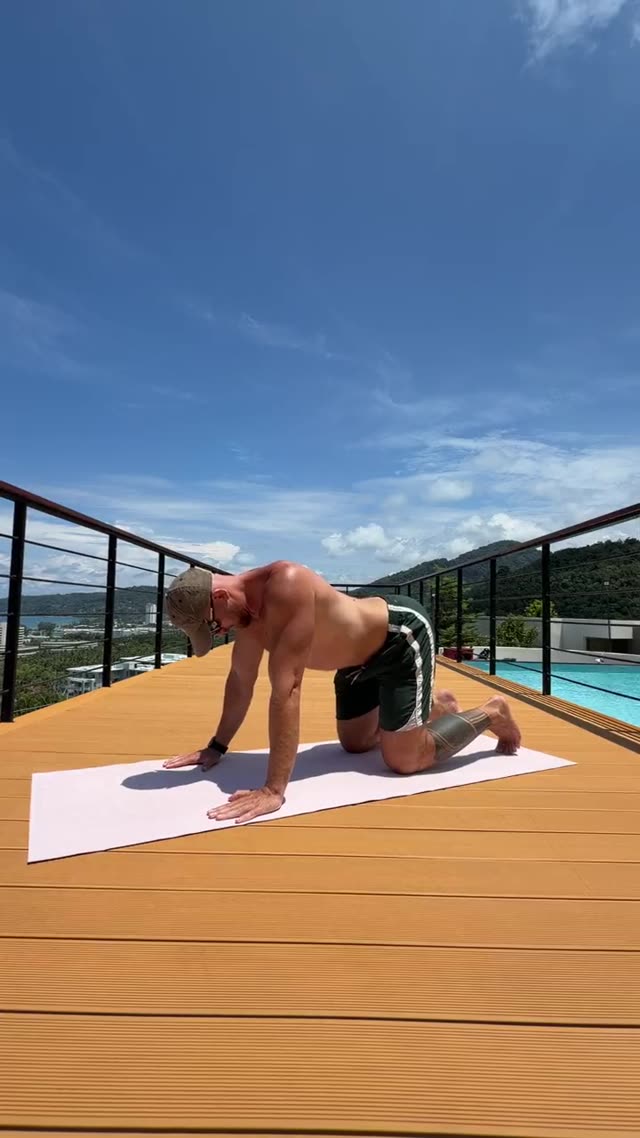
- Cat-cow, 10 reps, slow, with the breath.
- World’s greatest stretch, 5 reps per side.
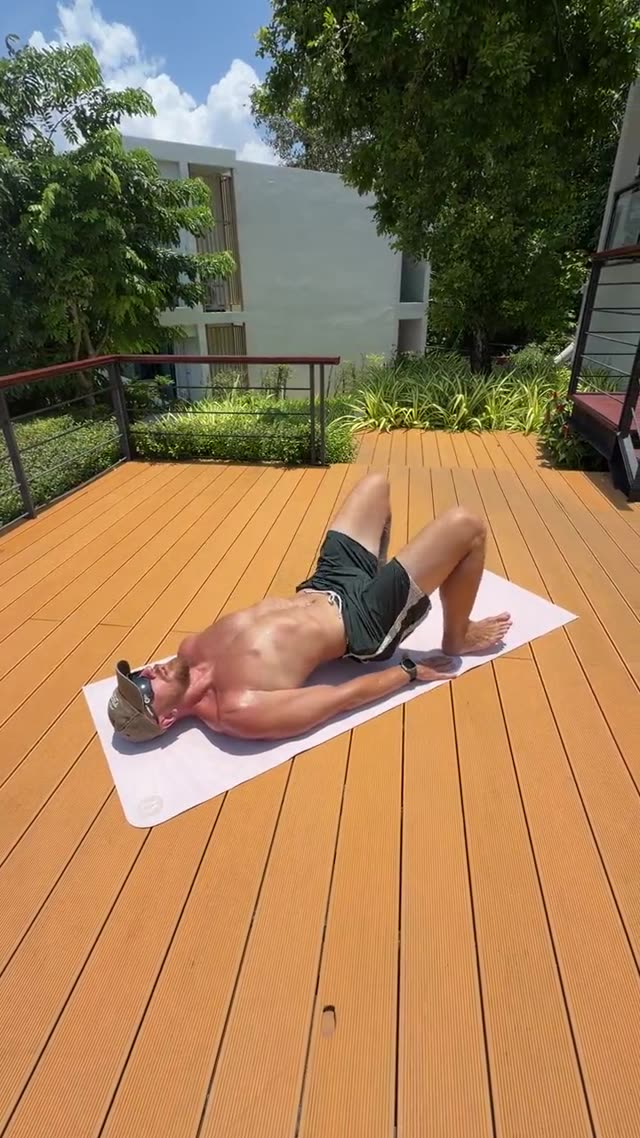
- Glute bridge, 15 reps with a pause at the top.
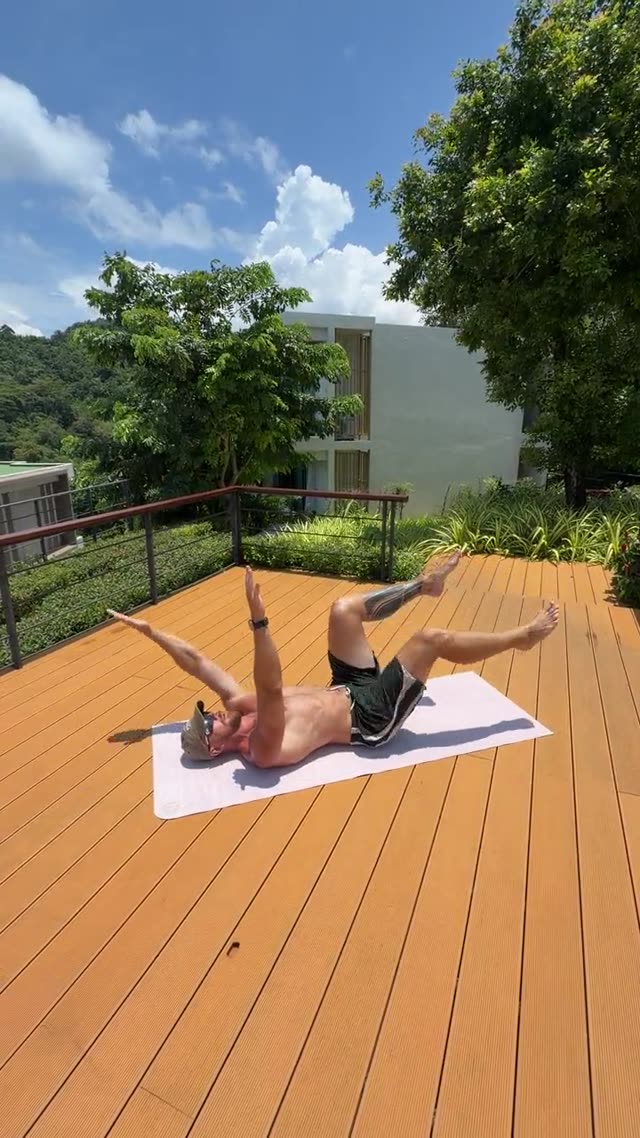
- Dead bug, 10 reps per side.
- Bird dog, 10 reps per side.
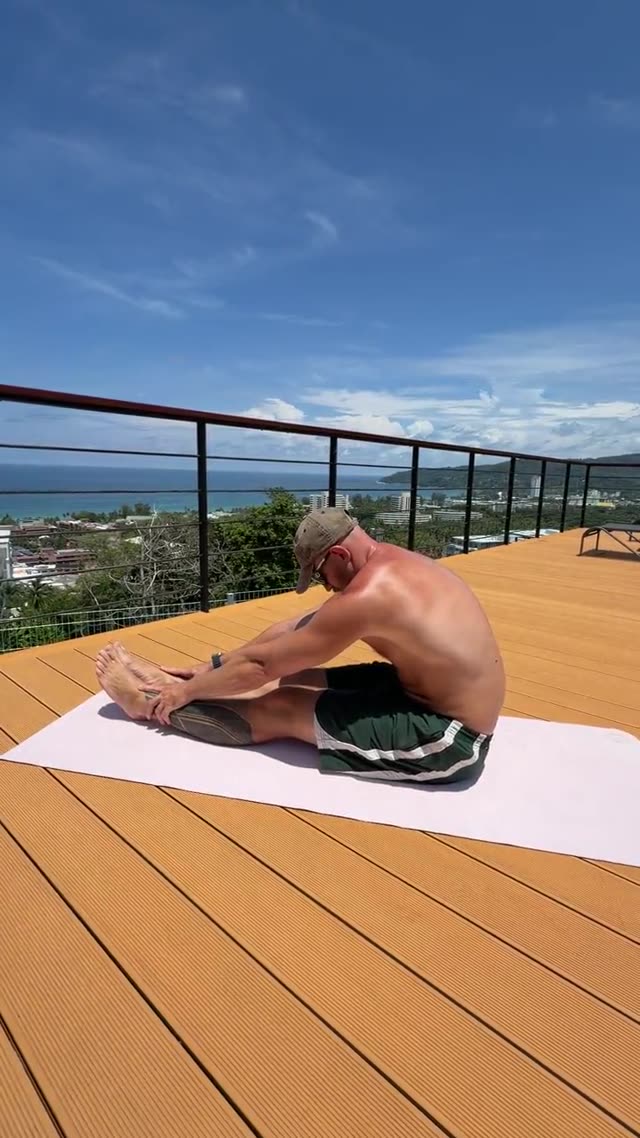
- Hip flexor stretch, 40 seconds per side.
- Hamstring stretch, 40 seconds per side.
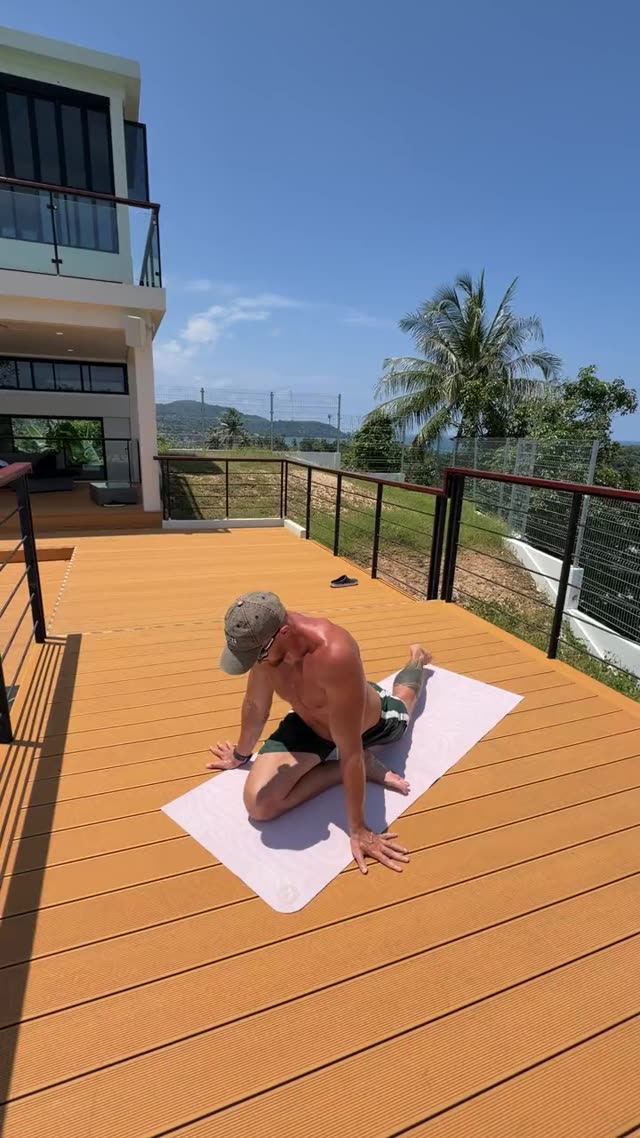
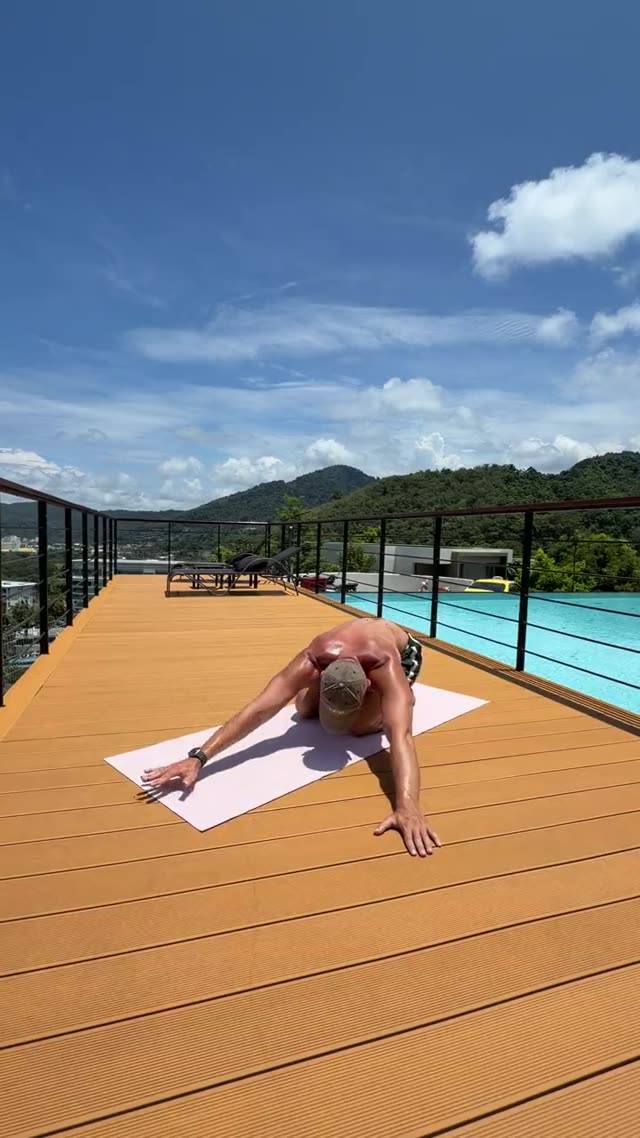
- Child’s pose, 60 seconds, second round only.
No jumps, no push-ups to failure, effort no higher than 3 or 4 out of 10. If something hurts sharply, skip the exercise rather than push through it.
Sleep, food, water
The American Academy of Sleep Medicine recommends that adults sleep at least seven hours a night; on a rest day that matters more than any circuit. Eat normally and do not “pay for” the day off by cutting calories: recovery needs protein and energy. Drink to thirst, a little more if the day is hot or the walk was long.
Common mistakes
- Complete rest. A day on the couch recovers you worse than a day with a walk: soreness lasts longer and stiffness is greater.
- A “light” session that is not light. If active recovery leaves you sweaty and tired, it was a workout. Rest-day effort is 3 or 4 out of 10.
- Chasing steps at night. 7000 steps at half past eleven, pacing the apartment, is not recovery. Plan the walk for daytime.
- Arguing with “easier”. When the app suggests an easier session, it has a reason: too little time since the last one, a high effort rating or pain you flagged. Choosing “harder” on such a day is the fastest route to a plateau.
- Training through illness. A sick day is better skipped: the workout count does not reset, and recovery does not drag on.
- Cutting sleep for a workout. Getting up early to train on six hours of sleep takes more than it gives.
How to progress
- Weeks 1 and 2. Three workouts on alternate days; on the other days, a 7000-step walk. The target is three workouts in one week, which the app marks with the “A good week” achievement.
- Weeks 3 and 4. Add the ten-minute mobility circuit on two of your four rest days. Watch your effort: if two consecutive sessions come in at 6 out of 10 or lower with the plan completed, the app will offer “harder” on its own, which is the sign recovery is working.
- Month 2. Raise the rest-day walk to 8000 to 10,000 steps, but not beyond: 15,000 steps and more already load your legs, and the next workout will feel heavier. If your program is longer and has a deload week, take it as written.
- The sign of good recovery: workout volume climbs 2 to 5 percent at a time while effort stays flat. If effort climbs instead, go back to step 1.
For keeping motivation past the first month or two, read how to stay consistent with workouts; for rating effort honestly, see the RPE scale guide.
Wrap-up
Progress is made between workouts, not during them: 48 to 72 hours between sessions for the same muscles, 7000 steps on rest days, at least seven hours of sleep and, in longer programs, a deload week. The app counts workouts, not days, so rest resets nothing, and before a session it tells you when to back off. If you would rather have the workouts already in order, open the Start: home CrossFit basics course: twenty workouts in four blocks of five, at your own pace, and a walk on a free day.
FAQ
How many rest days a week do I need?
Beginners need at least two or three, and the ACSM recommends 48 to 72 hours between sessions for the same muscle groups. Three or four workouts a week with a rest day between them is a sound home schedule.
Why 7000 steps and not 10,000?
In cohort studies (Paluch et al., 2021 and 2022) mortality risk dropped clearly at around 7000 steps a day and gained little above roughly 10,000. The 10,000 figure never had that kind of evidence behind it; by the usual account it came from pedometer marketing.
Does Forma count my steps on a rest day?
No. The app counts completed workouts, and a day without one resets nothing: the count only grows. The walk is the coach's advice for recovery, not something to report. The only day-by-day streak is in the Small Steps Club, for completing the day's task.
Can I train on a rest day if I feel good?
Light activity, yes: a walk, stretching, mobility work. Another intense workout, no. Adaptation happens in the pause, and extra load eats into it.
What if muscle soreness is severe and will not go away?
An easy walk and full-range movement clear soreness faster than lying still. If the pain is sharp, one-sided, in a joint, or lasts more than four or five days, see a doctor.